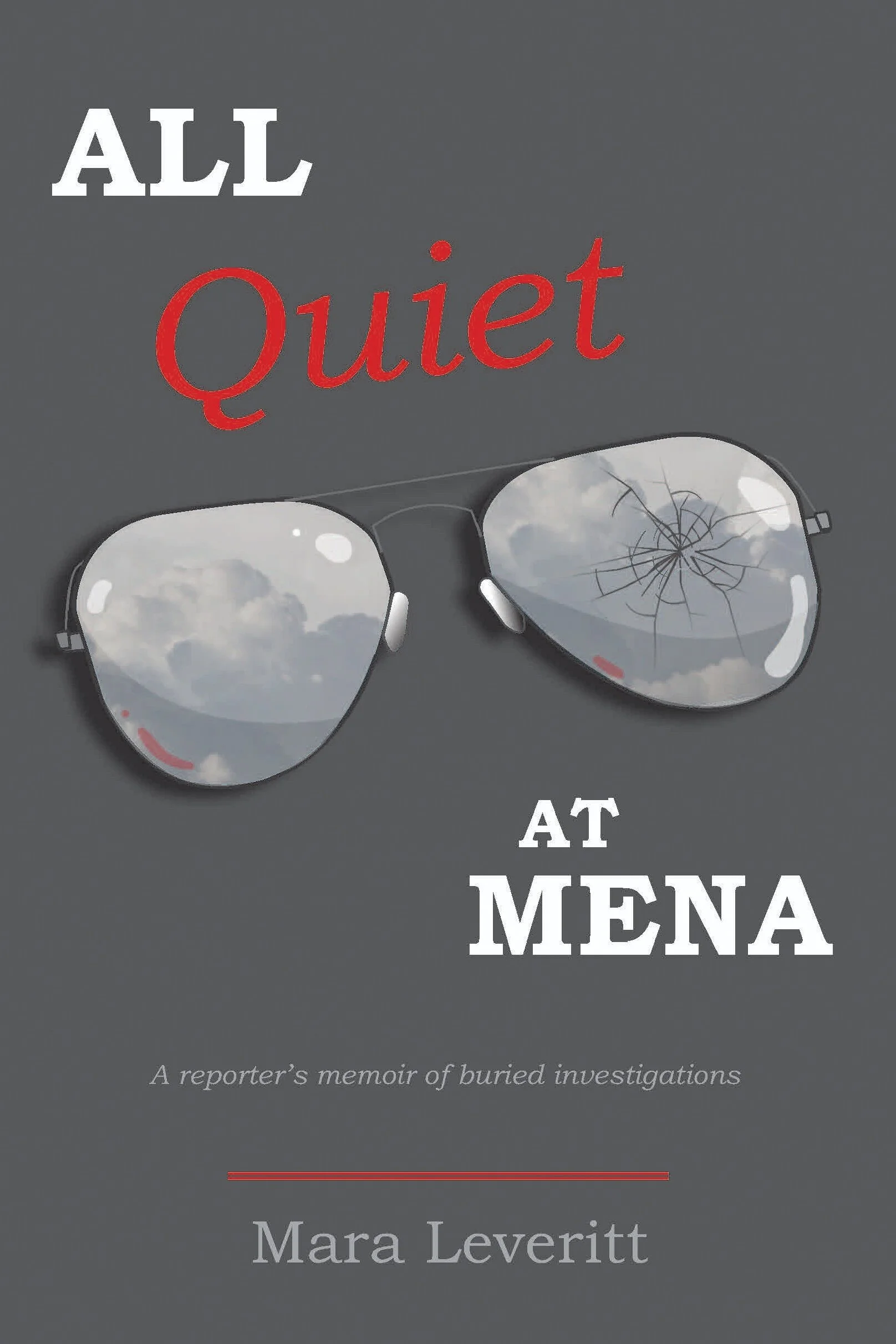
MARA LEVERITT
Investigative Reporter

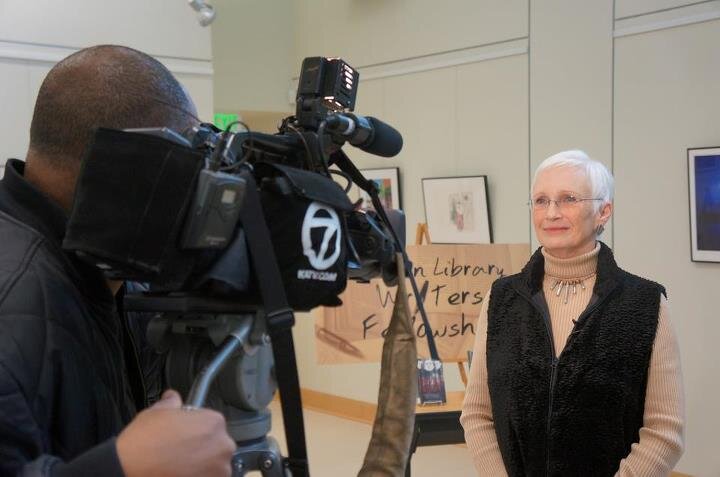
MARA LEVERITT
Investigative Reporter

Mara Leveritt has covered crime, police, courts, and prisons in Arkansas for more than 30 years. In 1991 she broke the story of how plasma drawn from Arkansas prisoners was being sold on the international market, despite officials' awareness that inmates affected with HIV and Hepatitis C were not being screened from the program. By the time it ended in 1994, thousands of hemophiliacs around the world--especially in Canada, Europe and Japan--had been infected by plasma traced to Arkansas prisons.
This powerful 2025 BBC radio documentary illustrates how the tragedy devastated individual lives--and how the British government finally responded. No US officials have ever acknowledged responsibility. The program ended in 1994, but by then, more than 1,000 Canadians who suffered from hemophilia were infected with HIV from plasma traced to Arkansas prisons. Another 20,000 Canadians were infected with hepatitis C.
In 1995, Leveritt left newspaper reporting to dive more deeply into some other disturbing cases she’d covered. All remain unresolved.
The Boys on the Tracks, featured on My Favorite Murder
Devil’s Knot feature film trailer
Leveritt law review article on support for the WM3
Leveritt discusses WM3 legal status
Leveritt addresses Arkansas Free Thinkers
Jason Baldwin speaks before release from prison
“50 States of True Crime” New York Times

Recognition
Winner of two Worthen Prizes, a Laman Fellowship, and Arkansas’s esteemed Porter Prize, Leveritt was inducted into the Arkansas Writers Hall of Fame and received an honorary doctorate of humane letters from the University of Arkansas at Little Rock.